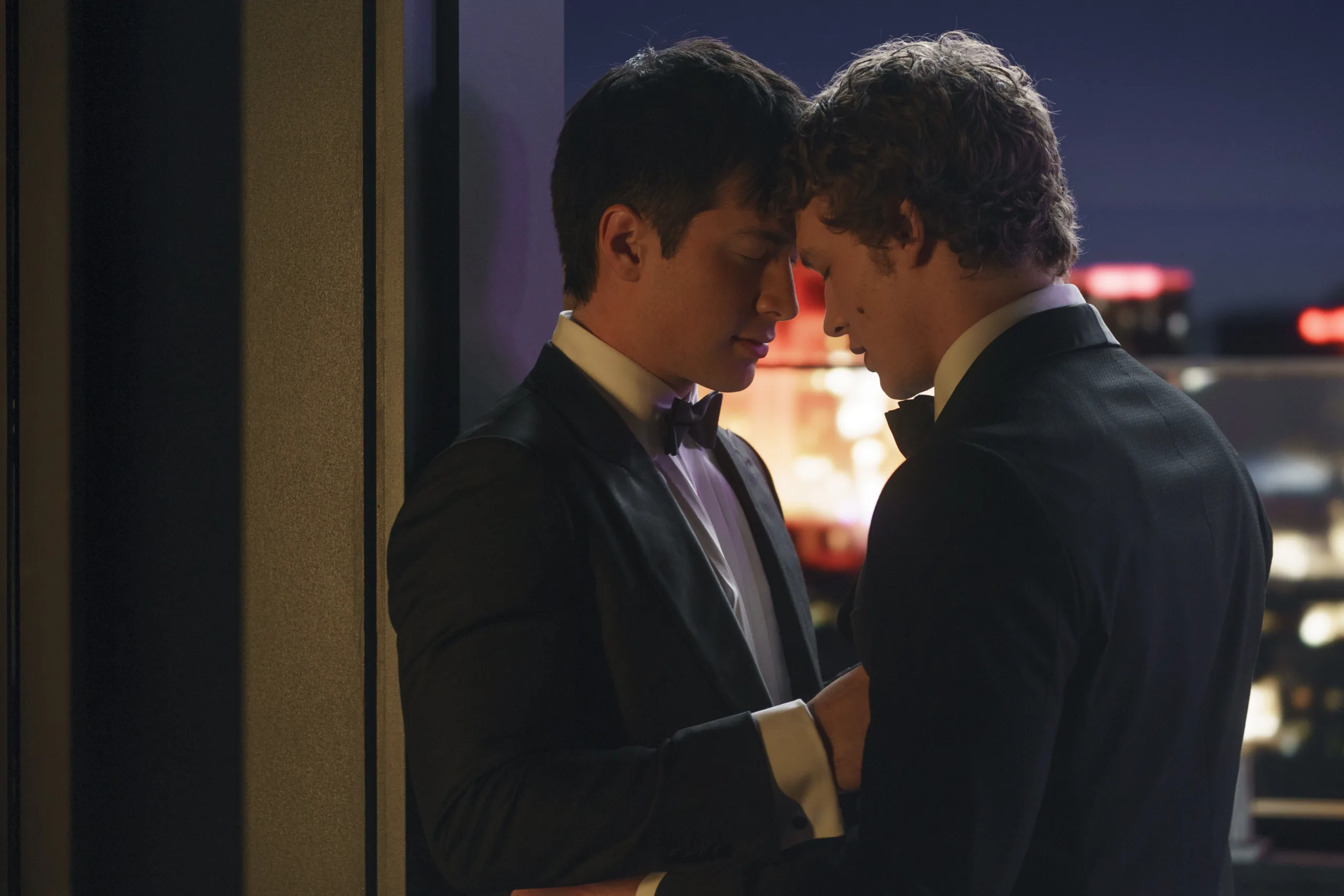
Nine years. That's how long Shane Hollander and Ilya Rozanov kept their secret—enemies on the ice, lovers in stolen moments between games. Rachel Reid's Heated Rivalry isn't just a hockey romance. It's become a cultural event.
The Book That Changed M/M Sports Romance
When Heated Rivalry was first published in 2019 as the second book in Reid's Game Changers series, it quietly built a devoted fanbase. Shane, the disciplined, golden-boy captain of the Montreal Voyageurs, and Ilya, the brash Russian "villain" of the Boston Bears, shouldn't work together. They hate each other. Publicly, at least. But behind closed doors—in anonymous hotel rooms, across enemy territory, at a secluded cottage that becomes almost sacred—they're something else entirely.
What makes this book special isn't just the chemistry (though with a 4.32 rating from nearly 100,000 readers on Goodreads, that chemistry clearly delivers). It's the emotional architecture underneath. The masks both men wear: Shane's suffocating need for control, Ilya's performed arrogance that hides genuine vulnerability. The way a relationship built on antagonism slowly, achingly transforms into domestic intimacy. The enemies-to-lovers trope has never hit quite like this.
From Page to Screen
The November 2025 HBO Max/Crave adaptation has transformed a beloved romance novel into a full-blown phenomenon. Starring Hudson Williams as Shane and Connor Storrie as Ilya, the show has critics and audiences alike losing their minds. Roger Ebert's site called it "the sexiest and most significant queer show of the year." The Guardian noted it has "everyone talking." CBC reported on how the show has become a "reprieve" for LGBTQ+ communities. The New Yorker wrote about "the delicious anticipation—and, yes, release" the series provides. Season 2 was greenlit almost immediately.
What the adaptation captures perfectly is the tension—the way Shane and Ilya can barely stand each other and can't stay apart. The steamy scenes get attention (deservedly), but the show lingers longest in its quieter, more tender moments.
What Makes It Work
A therapist writing about the show's psychology put it best: people who don't usually reread books, rewatch shows, or engage in fandom are suddenly very invested in these two men. Why? It's the forbidden nature of it—two closeted athletes at the absolute peak of their profession, risking everything for moments together. It's the slow burn across nearly a decade, watching hate transform into need and then into love. It's seeing two people who present such different faces to the world recognize something true in each other.
And honestly? The hockey backdrop provides such high stakes. The physicality, the aggression, the tribal loyalty of team rivalries—all of it makes the private softness more devastating.
The Woman Behind the Phenomenon
Rachel Reid wrote Heated Rivalry at her dining room table in Nova Scotia, never imagining it would become a global phenomenon. As The Washington Post reported, Reid has been open about living with Parkinson's disease, and the show's success has been deeply meaningful to her. The adaptation honors what made the book special while bringing Shane and Ilya to vivid, heart-wrenching life on screen.
The fandom is particularly notable for its passionate engagement—women especially have embraced the story, finding something cathartic in watching two men navigate vulnerability, desire, and the terror of being truly seen. It's romance that doesn't play it safe, and readers are responding in kind.
If You Loved Heated Rivalry, Read These Next
Finished the book? Devoured the show? Desperately need more hockey romance with that same electric tension? Here are three stories that will hit the same way:
Loading...
If you loved the way Shane and Ilya's physical rivalry on the ice translated to explosive chemistry off it, Hard Check delivers that same energy. The collision between competition and attraction, the moments where a check against the boards becomes something else entirely.
Start readingLoading...
For those who connected with the emotional vulnerability beneath the tough exterior—the way Ilya's 'Russian villain' persona crumbled in private—Keeper of the Net explores similar territory. A goalie under pressure, and a relationship that forces walls to come down.
Start readingLoading...
This one is for the readers who couldn't get enough of the enemies-to-lovers dynamic—the verbal sparring, the competitive edge that keeps things interesting even as feelings develop. The friction is the point.
Start readingHeated Rivalry proved that M/M sports romance isn't a niche—it's a force. Rachel Reid created something that resonated far beyond its expected audience, and the TV adaptation has only amplified that reach. Whether you're here because you just finished the book, you're obsessing over the show, or you're simply curious about why everyone on the internet seems to be talking about two fictional hockey players—welcome. You're not alone in this.
Now go read those recommendations. You'll thank yourself later.